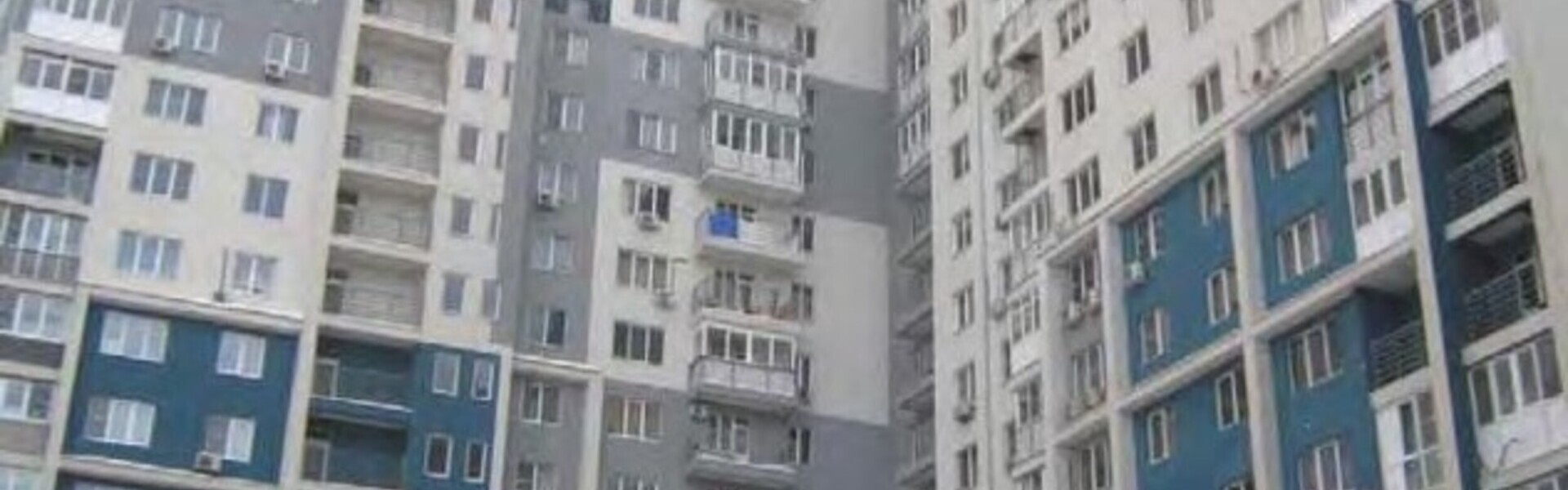
The relevance of the housing issue in modern urban environments continues to shape city development worldwide. Despite the unprecedented volumes of residential construction observed in recent decades, market demand for quality housing not only persists but continues to grow.
Today, development companies respond to this challenge by creating a new generation of architectural solutions—buildings with innovative layouts, energy-efficient technologies, expressive design, and well-planned social infrastructure, forming a comprehensive environment for living, working, and leisure.
The construction of a multi-apartment residential building is a complex, multi-level process where the importance of every detail cannot be overstated. This spans from the architectural and aesthetic appearance, which defines the visual identity of a district, to the engineering and technical solutions that guarantee the safety, durability, and operational efficiency of the asset throughout its entire lifecycle.
Key Stages of Multi-Apartment Residential Building Construction: From Concept to Completion
The journey from initial market analysis to commissioning the finished project involves the sequential implementation of interconnected stages, each requiring specialized expertise:
- Market Analysis and Site Selection — Identifying the optimal location considering demographic, social, and economic factors.
- Conducting Comprehensive Engineering Surveys — Geological, geodetic, environmental, and hydrometeorological studies of the territory.
- Development, Expert Review, and Approval of Design and Cost Documentation — Creating a comprehensive technical and economic justification for the project.
- Organizing and Executing Construction and Installation Works — The practical implementation of the project in strict accordance with approved plans.
- Site Landscaping, Commissioning, and Project Handover — The final stage of creating a residential complex ready for occupancy.
Strategic Site Selection: The Foundation of Economic Viability
The correct choice of location is the cornerstone of a successful development project. During a professional site assessment, analysts are guided by a system of interconnected criteria:
- Development of Social Infrastructure. Potential buyers and investors evaluate not only the square footage and layout but also the walkability to educational facilities (kindergartens, schools, extracurricular centers), medical institutions (clinics, diagnostic centers), shopping, entertainment, and recreational venues. The presence of a developed transportation system (including its future development prospects) is also a significant factor in real estate capitalization.
- Engineering and Technical Preparedness of the Site. Proximity to main utility networks for water supply, sewage, electricity, heating, and telecommunications directly determines capital expenditures and project implementation timelines. Distance from these utility hubs can increase construction costs by 15-30%.
- Urban Planning Regulations and Legal Restrictions. Obtaining permits in central districts with dense historical development involves additional administrative barriers, including requirements for preserving the historical landscape, height restrictions, and limits on the site coverage ratio.
Engineering Surveys: The Scientific and Technical Basis for Design
After preliminary site approval, the stage of field surveys begins, conducted by accredited laboratories. The studies determine:
- Physical and mechanical properties of the soil (load-bearing capacity, frost heave, subsidence) and its corrosiveness.
- Hydrogeological conditions (depth, chemical composition, and aggressiveness of groundwater).
- Terrain features, with the creation of a digital terrain model.
- Climatic characteristics (frost depth, wind patterns, temperature regimes).
The data obtained allows for the selection of the optimal foundation type (slab, pile, strip), the development of dewatering and anti-corrosion protection measures, and the prediction of structural behavior throughout the operational lifespan.
Design: Creating a Digital Twin of the Asset
Design development is the intellectual foundation of the entire construction process. At this stage, all key parameters are formed, from structural strength to indoor microclimate.
Design documentation is created in strict accordance with:
- Current Building Codes and Regulations (Building Codes and Regulations, Code of Rules).
- Results of engineering surveys.
- Fire safety, environmental, and sanitary-epidemiological requirements.
- Modern principles of energy efficiency and accessible environments.
Особое внимание уделяется архитектурно-планировочным решениям. Эргономичные Particular attention is paid to architectural and layout solutions. Ergonomic apartment layouts (transformable spaces, European standards), the design of common areas (lobbies, stroller storage, bicycle parking), and innovative facade systems (ventilated facades, thermal panels) shape not only the building's aesthetics but also its functionality.
Modern Design Technologies: BIM Modeling
Leading developers have transitioned from 2D drawings to Building Information Modeling (BIM) technology. Creating a dynamic 4D model (3D + time) allows for:
- Conducting virtual crash tests of systems before construction begins.
- Optimizing material volumes and logistics.
- Managing the asset lifecycle.
-
Integrating smart home and building management systems.
This innovative approach reduces design time by 20-40% and minimizes errors during the construction phase.
Construction and Installation Works: Technological Sequence
After obtaining the necessary permits, the main production cycle begins:
- Preparatory Stage. Site surveying, clearing and fencing the territory, delivering equipment, setting up the construction site.
- Earthworks. Excavation of the pit with sheet piling, installation of a drainage system.
- Foundation Work. Monolithic works using formwork systems, concreting with anti-frost additives, waterproofing.
- Superstructure Erection. Installation of the monolithic frame with self-climbing formwork, brickwork, or installation of precast concrete elements.
- Engineering Systems. Laying utility networks (including heat recovery and smart home systems).
- Roofing Works. Installation of an accessible or technical roof.
- Facade Works. Installation of curtain wall systems with insulating materials.
- Turnkey interior finishing using eco-friendly materials.
- Landscaping and Site Improvement. Landscape design with an automatic irrigation system, installation of street furniture and children's playgrounds.
Integrated Approach as a Competitive Advantage
Modern residential construction is about creating an ecosystem for living, where not only square meters matter but also the quality of the environment. Project success is determined by the synergy of four factors: the depth of pre-design analysis, the application of BIM technologies, the use of resource-saving technologies, and lifecycle asset management. MARASHSTROY, with its portfolio of completed projects, creates assets that combine investment appeal with high comfort standards, meeting the growing demand for quality, technologically advanced housing in an urbanizing world.